

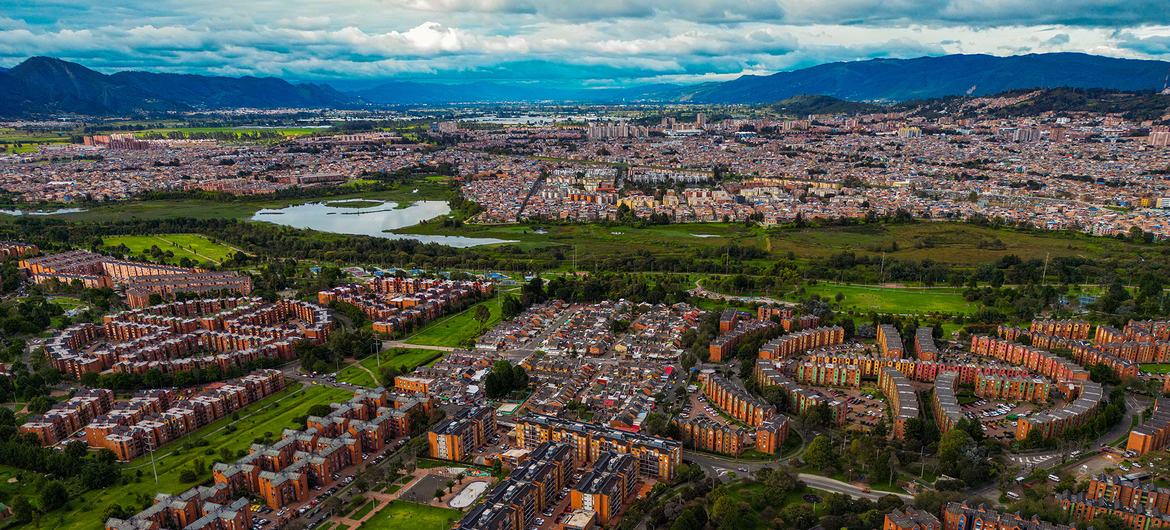
Bogotá, Colombia hosted the global observance of World Cities Day, organized by UN-Habitat under the theme “People-Centred Smart Cities.” The event brought together mayors, urban planners, technologists, and community leaders to explore how digital innovation can improve urban life while prioritizing human needs.
Why Bogotá?
Bogotá was selected for its pioneering urban initiatives that blend technology with citizen engagement. Examples include:
- TransMilenio, a model bus rapid transit system
- Ciclovía, which transforms streets into car-free zones every Sunday
- Chatico, an AI-powered virtual agent that helps residents access public services
UN-Habitat praised Bogotá’s approach to inclusive urban design, calling it a global example of how cities can use data and dialogue to foster sustainability and social connection.
Key Messages
UN Secretary-General António Guterres emphasized that smart cities must serve the most vulnerable:
“A truly smart city puts people first… Digital innovation can help drive fairness and sustainability for all.”
Architect Carlo Ratti, director of MIT’s Senseable City Lab, challenged the traditional “smart city” model, advocating for “senseable cities” that respond to citizens’ needs rather than imposing top-down tech solutions.
Innovation with Purpose
UN-Habitat Executive Director Anacláudia Rossbach highlighted Bogotá’s programs like Ecobarrios and Mi Casa, which focus on climate resilience and sustainable housing. She stressed that technology should bridge gaps—not widen them—and that urban innovation must be shared globally to inspire other cities.
Legacy and Global Impact
World Cities Day concludes UN-Habitat’s Urban October campaign, reinforcing the importance of inclusive, sustainable urbanization. The Bogotá observance aims to leave a legacy of collaboration, learning, and people-first innovation.

TWW - The World Wide: Global News,Local Impact.