

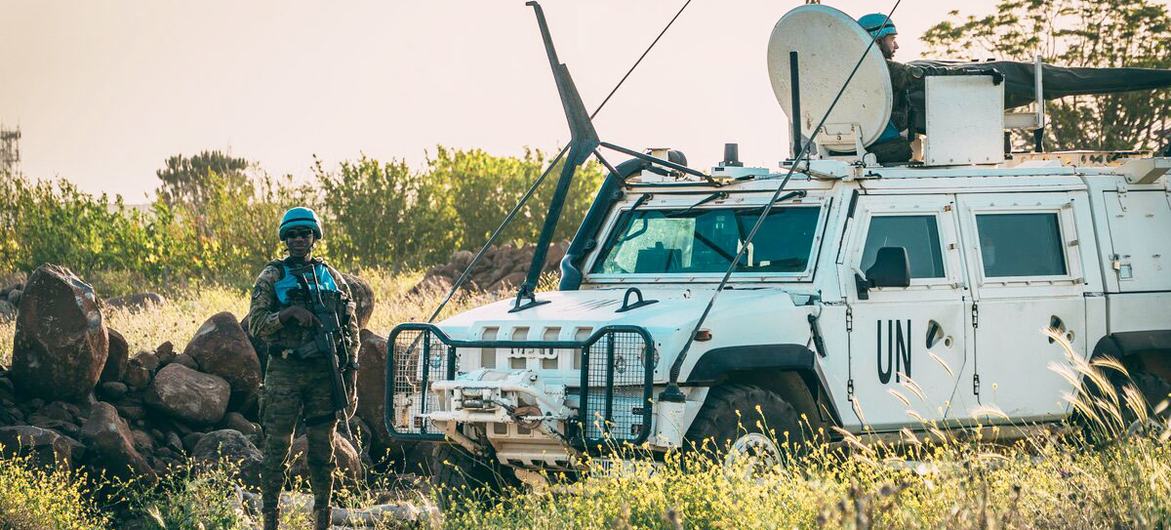
The UN Security Council has reaffirmed its support for Lebanon’s full national sovereignty, backing the Lebanese Armed Forces (LAF) as the sole authority in the south. UN peacekeepers (UNIFIL) continue to uncover unauthorized weapons caches including mortar shells and damaged rockets—despite a ceasefire agreement with Israel in place since November 2024.
UN spokesperson Stéphane Dujarric reported ongoing Israeli military activity near the Blue Line, including mortar fire. He emphasized that “these acts of interference must stop.” The Council urged all parties to uphold international humanitarian law and called for intensified global support to help the LAF fully deploy in southern Lebanon.
Central African Republic: Fragile Stability, Rising Hope
The Central African Republic (CAR) stands at a pivotal moment, according to UN Deputy Relief Coordinator Joyce Msuya. Her recent visit highlighted grassroots resilience and improving security, with displaced families beginning to return home.
“Everywhere I went, I saw dedication in action communities leading, partners supporting, lives being built,” Msuya shared. She announced an $8 million allocation from the CAR Humanitarian Fund to address urgent needs in Zemio and Birao, reinforcing the UN’s commitment to peacebuilding and recovery.
WHO: Ban Lead-Based Paints to Protect Children
Ahead of International Lead Poisoning Prevention Week (19–25 October), the World Health Organization (WHO) has renewed its call for a global ban on lead-based paints. Despite progress in phasing out leaded petrol and limiting lead in consumer products, exposure remains a major health threat especially to children.
Lead poisoning contributes to 1.5 million deaths annually, primarily from cardiovascular disease, and causes irreversible neurological damage. “No level of lead is safe. Every child deserves a future free from this poison,” said Ruediger Krech, WHO’s director for environment, climate change, and migration.

TWW - The World Wide: Global News,Local Impact.