
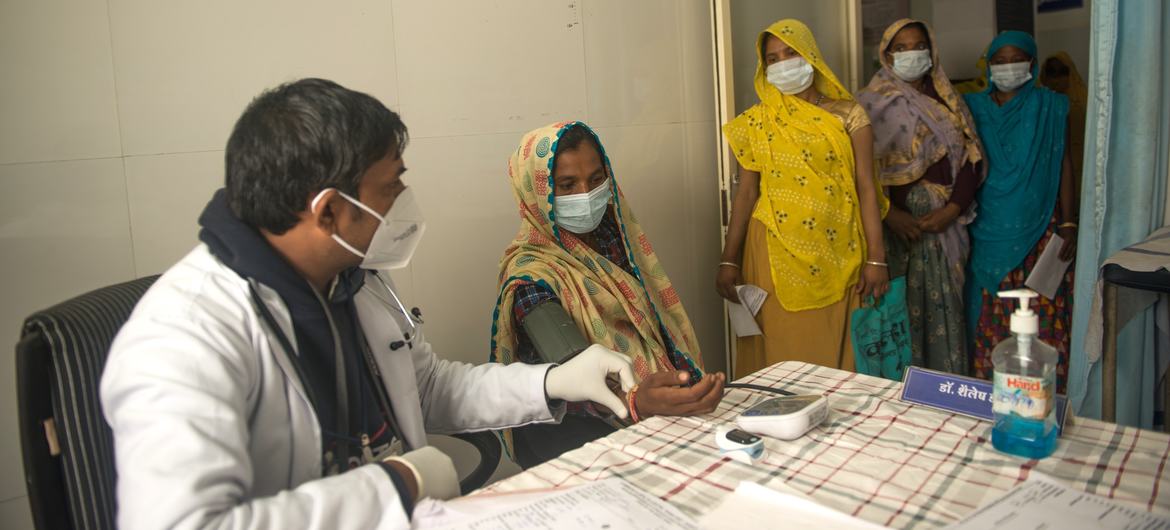
The World Health Organization (WHO) has sounded the alarm over a sharp rise in antibiotic resistance, revealing that one in six bacterial infections globally is now resistant to standard treatments.
🦠 Key Findings from WHO’s 2025 Surveillance Report:
- Rising Resistance: Between 2018 and 2023, resistance increased in over 40% of bacteria-drug combinations tracked, with annual growth rates of 5–15%.
- Regional Disparities: Resistance is highest in South-East Asia and the Eastern Mediterranean, where one in three infections are antibiotic-resistant.
- Superbug Threat: Gram-negative bacteria like E. coli and K. pneumoniae show alarming resistance to third-generation cephalosporins—first-line treatments for serious infections.
- Last-Resort Drugs Under Pressure: Clinicians are increasingly forced to use costly, complex last-resort antibiotics, often unavailable in low-income countries.
- Weak Surveillance: Nearly half of WHO member states did not report resistance data in 2023, highlighting fragile health systems and data gaps.
🌍 Global Impact and Economic Risk:
- Human Toll: Bacterial antimicrobial resistance (AMR) caused 1.27 million deaths in 2019 and contributed to nearly 5 million more.
- Economic Threat: Without action, AMR could cost the global economy up to $3 trillion annually by 2030.
🛡️ WHO’s Call to Action:
WHO Director-General Dr. Tedros Adhanom Ghebreyesus urged countries to strengthen surveillance, ensure equitable access to quality medicines, and invest in next-generation antibiotics and diagnostics. “Antimicrobial resistance is outpacing advances in modern medicine,” he warned.

Environment Correspondent, TWW News
Diya is a journalist at TWW News specializing in environmental reporting with a global lens. Her work spans climate policy, conservation breakthroughs, and the intersection of ecological justice and geopolitics. With a sharp eye for data and a commitment to public accountability, Diya covers stories that matter—from rising sea levels to green tech innovation—with clarity, urgency, and impact.
She brings a background in environmental science and field reporting, often spotlighting underrepresented communities and frontline climate defenders. At TWW News, Diya’s coverage is engineered for credibility, legal rigor, and Global grade editorial standards, helping readers navigate the complexities of a changing planet.