

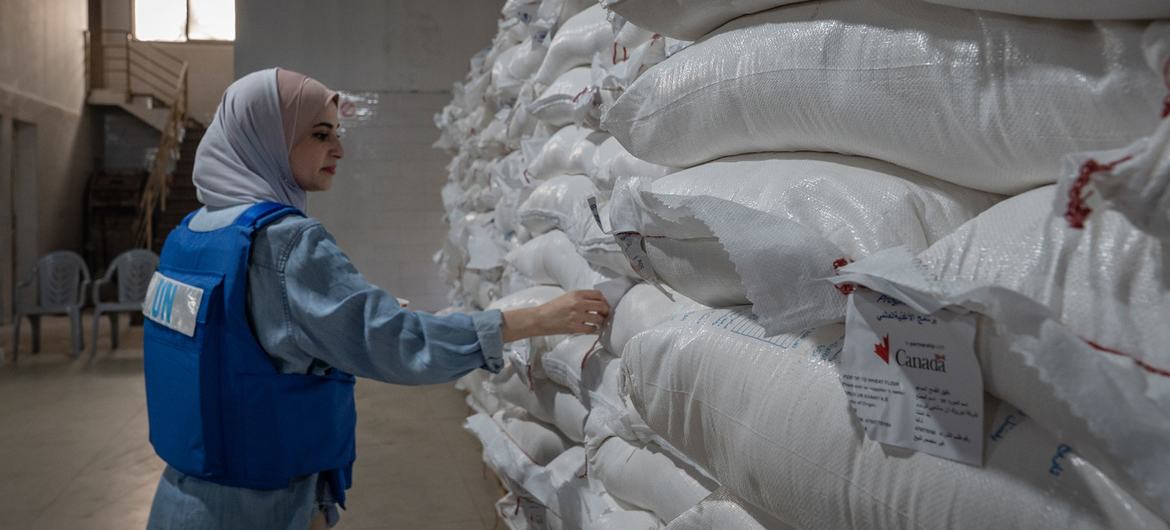
Gaza The UN Office for the Coordination of Humanitarian Affairs (OCHA) has recorded more than 470,000 civilian movements northward inside the Gaza Strip since the recent ceasefire began. Families are returning to devastated neighborhoods riddled with unstable buildings and unexploded ordnance, while aid agencies race to meet overwhelming needs.
Key developments:
- Critical shortages: OCHA confirmed that water, food, and essential services are still desperately needed, with many families facing life-threatening conditions as they return home.
- Aid deliveries: Over the weekend, 300 truckloads of supplies entered Gaza via the Kerem Shalom crossing, including wheat flour, canned food, rice, medical equipment, tents, and winter clothing. Additional deliveries included hygiene kits, post-partum kits, and shelter materials.
- Energy support: The UN Office for Project Services (UNOPS) distributed 329,000 liters of diesel to keep hospitals, telecommunications, and food operations running.
- Food relief: More than one million hot meals have been served through 170 community kitchens, and 15 UN-supported bakeries are producing tens of thousands of bread bundles daily for shelters and communities.
- Explosive risk mitigation: Nearly 3,200 people received safety briefings on unexploded ordnance, which has caused 150 incidents since October 2023, including casualties among children.
- West Bank violence: In the occupied West Bank, 85 settler attacks have disrupted the olive harvest, injuring over 110 people and damaging 3,000 trees across 50 villages, with 17 attacks recorded last week alone.
Despite ongoing aid efforts, the UN warns that Gaza’s humanitarian needs remain overwhelming, and calls for sustained international support to prevent further suffering.

TWW - The World Wide: Global News,Local Impact.